"Símbolo de la Justicia en España: Significado y Origen"
The symbol of justice, a concept deeply rooted in the legal and moral fabric of societies, has been represented in various ways throughout history. In Spain, the symbol of justice is no exception, holding significant historical and cultural importance. Let's delve into the fascinating world of the Spanish symbol of justice, exploring its origins, evolution, and contemporary interpretations.
The Balanza and the Espada: A Historical Overview
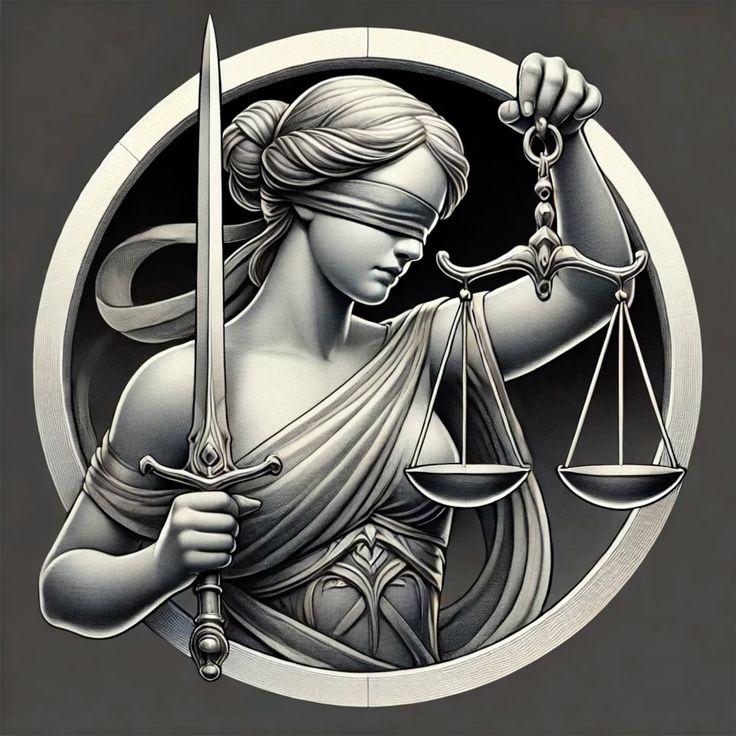
The most recognized symbol of justice in Spain is the combination of the balanza (scales) and the espada (sword). This iconic symbol, often depicted on judicial buildings and legal documents, represents the balance between law and order, and the power to enforce justice. The scales, a universal symbol of justice, signify impartiality and fairness, while the sword symbolizes the authority to uphold and enforce the law.
The Balanza: Symbol of Impartiality and Fairness
The balanza, or scales, is a powerful symbol that has been used to represent justice since ancient times. In the context of Spanish justice, the scales signify the impartiality and fairness that should characterize the legal process. The two pans of the scales are often depicted as equal, symbolizing the equal treatment of all individuals before the law, regardless of their social status, wealth, or political influence. The balance beam, meanwhile, represents the delicate equilibrium that must be maintained between the rights of the accused and the interests of society.


The Espada: Symbol of Authority and Enforcement
The espada, or sword, is a symbol of power and authority, representing the state's monopoly on the use of force. In the context of Spanish justice, the sword signifies the state's power to enforce its laws and punish those who violate them. The sword is often depicted as being held by the hand of justice, symbolizing the fact that the power to enforce the law is vested in the state, and not in individual citizens. The sword also serves as a reminder that the power to punish must be used sparingly and responsibly, in accordance with the principles of justice and the rule of law.
The Evolution of the Symbol of Justice in Spain
The symbol of justice in Spain has evolved over time, reflecting changes in the political and legal landscape. During the Middle Ages, the symbol of justice was often depicted as a single eye, symbolizing the all-seeing nature of justice. In the 16th and 17th centuries, the symbol of justice began to take on its modern form, with the scales and sword becoming the dominant motifs. Today, the symbol of justice in Spain continues to evolve, with new interpretations and representations emerging in response to contemporary challenges and debates.


Contemporary Interpretations of the Symbol of Justice in Spain
In contemporary Spain, the symbol of justice continues to be a powerful and widely recognized icon. It is often used to represent the Spanish legal system as a whole, as well as individual courts and tribunals. The symbol of justice also plays an important role in Spanish culture, appearing in works of art, literature, and film. Some contemporary artists and thinkers have sought to challenge and re-interpret the traditional symbol of justice, exploring its implications and limitations in the context of modern society.
The Role of the Symbol of Justice in Spanish Culture
The symbol of justice plays a important role in Spanish culture, serving as a reminder of the values of fairness, impartiality, and the rule of law. It is often used to represent the struggle for justice and human rights, both in Spain and around the world. The symbol of justice also serves as a powerful tool for education and awareness-raising, helping to promote a greater understanding of the legal system and the principles that underpin it.
Challenging and Re-interpreting the Symbol of Justice
While the traditional symbol of justice remains widely recognized and respected, some contemporary artists and thinkers have sought to challenge and re-interpret its meaning. For example, the Spanish artist Santiago Sierra has created a series of works that explore the relationship between justice and power, using the symbol of the scales to critique the inequalities and injustices of contemporary society. Other artists and thinkers have sought to explore the limitations of the traditional symbol of justice, questioning its ability to represent the complex and often contradictory nature of modern justice.


Conclusion: The Enduring Power of the Symbol of Justice in Spain
The symbol of justice in Spain, with its roots in ancient history and its contemporary interpretations, continues to hold immense power and significance. It serves as a reminder of the values of fairness, impartiality, and the rule of law, while also challenging us to question and rethink our understanding of justice in the modern world. As Spain continues to grapple with complex legal and political issues, the symbol of justice will no doubt continue to evolve and adapt, reflecting the changing needs and aspirations of Spanish society.


Related Articles

"Símbolo de Mujer en España: Descubre su Significado y Origen"
El Simbolo de Mujer en la Cultura Hispana El símbolo de mujer es una representación gráfica que ha sido utilizada a lo largo de la historia para simbolizar la...

"Símbolo del Viento en España: Descubre su Significado y Origen"
El Simbolo del Viento en España: Historia y Significados El viento ha sido una fuerza natural que ha influido significativamente en la historia y la cultura de...

"Símbolo del Tridente en España: Descubre su Significado y Origen"
El Simbolo Tridente: Un Símbolo de Poder y Fuerza en la Cultura Hispana El tridente es un símbolo antiguo y poderoso que ha sido utilizado en diversas culturas...

"Símbolo del Amor en España: Descubre su Historia y Significado"
El símbolo del amor es una expresión universal que trasciende las barreras lingüísticas y culturales. En España, este concepto se ha enriquecido con sus...

"Símbolo de Enfermería en España: Significado y Uso"
El Simbolo de Enfermería en España: Significado e Historia El simbolo de enfermería es una representación gráfica que identifica y honra la profesión de...

"Acuario Símbolo en España: Descubre su Significado"
El Acuario Simbólico: Una Profunda Mirada en la Cultura y Tradición Española El Acuario Simbólico es una obra literaria que ha cautivado a los lectores...