"Nombre con Y Griega: Spain's Unique Language Twist"
The "nombre con y griega" is a unique and intriguing aspect of the Spanish naming system, often puzzling to those unfamiliar with it. This article aims to demystify this phenomenon, providing a comprehensive guide to understanding and navigating the "nombre con y griega" in the Spanish language.
What is a Nombre con Y Griega?
A "nombre con y griega" is a Spanish given name that includes the letter "y" (pronounced as "y griega" or "y griega" in Spanish) in its spelling. This letter is not the standard "y" as used in English, but rather a Greek letter called "upsilon" (Θ), which is used in Spanish to represent the sound /y/.
Understanding the Y Griega
The "y griega" is a digraph in the Spanish alphabet, meaning it is a combination of two letters that represent a single sound. It is used to represent the palatal approximant sound /y/, which is similar to the "y" sound in English words like "yes" or "you". This sound is distinct from the "i" sound in Spanish, which is represented by the letter "i".


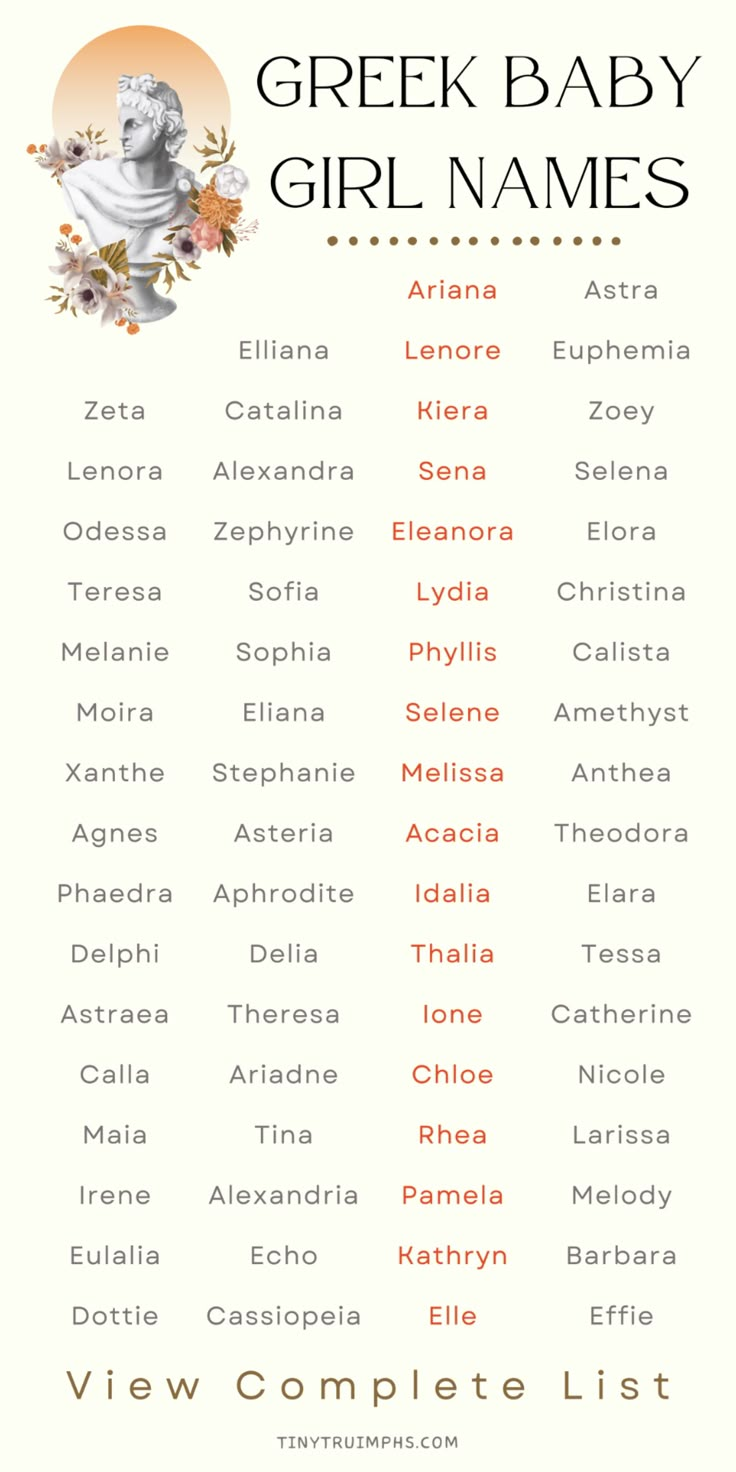
Examples of Y Griega in Spanish Names
Some examples of Spanish given names that include the "y griega" are:
- Yolanda
- Yesenia
- Yolanda
- Yuridia
- Yaretzi
Why is the Y Griega Used?
The use of the "y griega" in Spanish names is a historical remnant of the influence of Greek culture on the Spanish language. The Greek alphabet was adopted by the Spanish in the Middle Ages, and the "upsilon" was used to represent the /y/ sound. Over time, the use of the "y griega" has become a distinctive feature of Spanish naming conventions.


Navigating the Nombre con Y Griega
If you're learning Spanish or encountering Spanish names for the first time, the "nombre con y griega" can be a challenge to pronounce and spell. Here are some tips to help you navigate these names:
Pronunciation
The "y griega" is pronounced like the "y" in "yes", so in the name "Yolanda", for example, the "y" is pronounced like the "y" in "yes", and the "a" is pronounced like the "a" in "father".
Spelling
When writing Spanish names that include the "y griega", it's important to use the correct spelling. The "y griega" is written as "ý" or "ÿ", depending on the font and keyboard used. If you're unsure, you can always ask for the correct spelling or look it up in a reliable source.


Conclusion
The "nombre con y griega" is a fascinating aspect of the Spanish naming system, reflecting the rich history and cultural influences of the Spanish language. Understanding and navigating these names requires a basic knowledge of Spanish phonetics and orthography, but with a little practice, anyone can master the "y griega" and appreciate the beauty and diversity of Spanish names.


Related Articles

Caritas Emojis: Spain's Unique Language in Emoticons
¿Has notado que en los últimos años, las emojis han ganado una presencia cada vez más importante en nuestra comunicación diaria? En España, una organización...

"Tribal Flames: Spain's Unique Language of Fire"
Sumergirse en la fascinante cultura de España implica explorar sus tradiciones, historia y, por supuesto, su arte. Entre las expresiones artísticas más...

"Emoji Faces: Spain's Unique Language of Emotions"
Emojis de cara en España Los emojis de cara son una forma divertida y expresiva de comunicarse en el mundo digital. En España, estos emojis han ganado...

Maite Euskera: Spain's Unique Basque Language
Maite Euskera: A Deep Dive into the Basque Language in Spain The Basque language, known as Euskera, is a unique and fascinating language spoken in the Basque...

"Emoji Animals: Spain's Unique Language of Expression"
¿Te encanta la cultura española y te apasionan los emojis? ¡Entonces has llegado al lugar adecuado! En este artículo, exploraremos el fascinante mundo de los...

Samurai Kimono: Discover Spain's Unique Twist
¿Estás interesado en la moda tradicional japonesa y te preguntas dónde puedes encontrar un kimono samurái en España? Has llegado al lugar correcto. En este...