"Mammals of Spain: Discover Native Species"
Spain, a country rich in biodiversity, is home to a fascinating array of mammals. From the smallest shrew to the mighty Iberian lynx, these creatures play a vital role in the ecosystem. Let's delve into the world of Spanish mammals, exploring their diversity, habitats, and conservation status.
Diverse Mammals of Spain
Spain's diverse geography, ranging from the Pyrenees to the Mediterranean coast, provides a variety of habitats for its mammals. The country is home to around 100 species, including both native and introduced mammals. Here are some of the most notable ones:
- Iberian Lynx (Lynx pardinus): One of the world's most endangered felines, this species is endemic to Spain and Portugal.
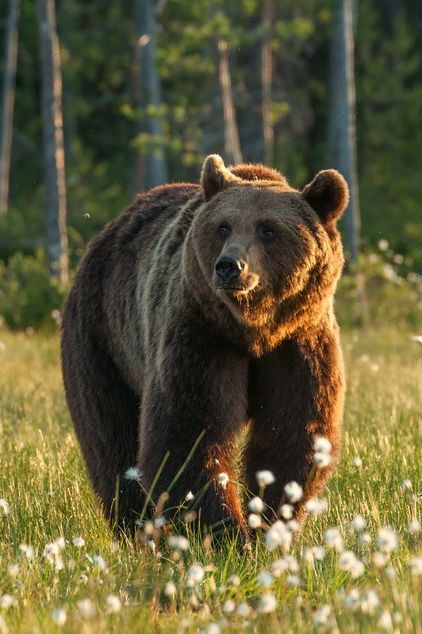
- Brown Bear (Ursus arctos): Once on the brink of extinction in Spain, brown bear populations are now recovering, thanks to conservation efforts.
- Iberian Wolf (Canis lupus signatus): This subspecies of the gray wolf is critically endangered, with only a few hundred individuals remaining in Spain.
- Iberian Ibex (Capra pyrenaica): This wild goat is native to the Iberian Peninsula and is an iconic symbol of Spain's wildlife.
- European Pine Marten (Martes martes): This small, agile mustelid is widespread across Spain and plays a crucial role in controlling pest populations.
Habitats and Distribution
Spain's mammals are adapted to a wide range of habitats. The Pyrenees and Sierra Nevada mountains provide homes for species like the brown bear, Iberian ibex, and chamois. The Mediterranean coast and its islands support species like the European hedgehog, European wildcat, and the critically endangered Mediterranean monk seal. The vast plains of Castilla-La Mancha and Extremadura are home to species like the red deer, wild boar, and the reintroduced European bison.


Conservation Status and Threats
Many of Spain's mammals face threats from habitat loss, fragmentation, and degradation. Climate change, pollution, and human-wildlife conflict also pose significant challenges. The IUCN Red List classifies several Spanish mammals as critically endangered, endangered, or vulnerable. These include the Iberian lynx, Iberian wolf, Mediterranean monk seal, and the Balearic shearwater.
| Species | IUCN Status | Population Trend |
|---|---|---|
| Iberian Lynx | Critically Endangered | Increasing |
| Iberian Wolf | Critically Endangered | Stable |
| Mediterranean Monk Seal | Critically Endangered | Stable |
Conservation Efforts
Spain has implemented various conservation measures to protect its mammals. These include the establishment of protected areas like national parks and nature reserves, reintroduction programs, and community-based conservation initiatives. The Iberian lynx, for instance, has seen a significant population increase thanks to captive breeding programs, habitat restoration, and predator control.


Spain's mammals are a testament to the country's rich natural heritage. Understanding their diversity, habitats, and conservation status is the first step towards ensuring their long-term survival. By appreciating and protecting Spain's mammals, we contribute to the preservation of the country's unique biodiversity and cultural identity.


Related Articles

"Cute Animals in Spain: Discover Endearing Species"
¿Te encantan los animales adorables? España es un país lleno de criaturas encantadoras que te robarán el corazón. Desde los conejos saltarines hasta los osos...

"Zoos in Spain: Discover the Best Animal Encounters"
Exploring Spain's Zoos: A Journey Through Wildlife and Conservation Spain, a country rich in culture, history, and biodiversity, is home to a variety of zoos...

"Santoña, Cantabria: Discover the Magic of Mireia in Spain"
Nestled in the heart of the Costa Brava, Spain, lies the charming coastal town of Sant Miquel de Balears, more commonly known as Sant Morià. This hidden gem...

Gádor, Spain: Discover the Charm of Andalusia
Discovering Gádor: A Hidden Gem in Andalusia Nestled in the heart of Andalusia, Spain, lies the charming town of Gádor, a hidden gem waiting to be discovered...

"C Names in Spain: Discover Popular Choices"
¿Estás buscando nombres que empiezan por la letra 'C' en español? Has llegado al lugar correcto. En este artículo, exploraremos algunos de los nombres más...

Iglesia de Luanco, Spain: Discover the Beauty of This Historic Church
Descubriendo la Iglesia de Luanco: Una Joyita Histórica en Asturias La Iglesia de Luanco, también conocida como la Parroquia de San Juan Bautista, es un...